
Some people love to start the day with a tasty cup of coffee…
Italians for example cannot function without their Espresso, but while we can appreciate the taste, the ritual and all the “The Good, The Bad, The Ugly” of caffeine. To ease our health and rejoin the “natural” side of our life, we sometimes have to say goodbye to things that have become our routine, silently making our life worse instead of better.
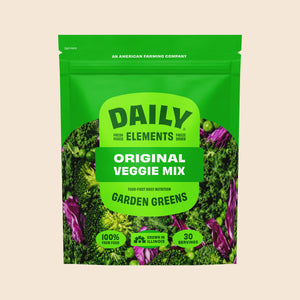
We personally prefer to drink water with our Daily Elements (Yes, we do use our own product!) and get all the energy we need from Microgreens, but our customers often ask if Daily Elements has caffeine.
And no, it doesn’t. However, many daily powders or even green powders do ‘energy-boost’ your day with caffeine.

Is caffeine worth even considering as the first thing in your daily routine?
From triggering anxiety and disrupting sleep to creating a cycle of dependence and even hindering nutrient absorption, caffeine's impact on our bodies is far more intricate than we might presume, after all for vast majority of human existence, we never needed a ‘caffeine booster’ to prosper and live long healthy life.
This is especially true when it comes to the highly concentrated doses found in modern supplements. Interested and got a few minutes to spare? Let’s get to the facts.
What makes caffeine a bad addition?
Consuming even moderate amounts of caffeine can lead to a cascade of immediate, undesirable effects. For others even the smallest amounts can trigger the negative side effects, while others who built immunity over the years of use (sounds weird, doesn’t it?) can drink a lot of it, without feeling any difference.
Anxiety and Nervousness: Caffeine increases the release of adrenaline, the "fight-or-flight" hormone, which can lead to feelings of anxiety, restlessness, and jitteriness. Ever felt that ‘awareness’ that fades into a feeling of unease? That might be the caffeine, or some pesky “Daily-booster” using it, without telling you about it.
Sleep Disruption: With a half-life (how much of it will be left – half of dose in X time) of up to 6 hours, caffeine consumed even in the afternoon can significantly interfere with deep, restorative sleep, leading to a cycle of daytime fatigue and increased caffeine reliance, not to mention how unnatural it becomes.
Digestive Issues: Caffeine increases stomach acid, which can exacerbate heartburn and acid reflux. It can also act as a diuretic, potentially leading to dehydration, which also means that all the good stuff you eat after are processed quicker than they should be.
Increased Heart Rate and Blood Pressure: The stimulant effect can cause a temporary spike in heart rate and blood pressure, a concern for individuals with pre-existing cardiovascular conditions.
A Cycle of Dependence
Regular caffeine consumption forces the brain to adapt. It begins producing more specialized receptors to counteract the constant blockade, what we call by its common name tolerance. This means you need more and more caffeine to achieve the same level of alertness.
This adaptation is the foundation of caffeine dependence. When a regular user misses their usual dose, the brain is suddenly oversensitive to adenosine, leading to the classic symptoms of caffeine withdrawal:
-
Severe headaches
-
Fatigue and lethargy
-
Irritability and depressed mood
-
Difficulty concentrating
-
Nausea and muscle pain
These withdrawal symptoms, which can last from two days to over a week, are a primary reason why people find it so difficult to quit, without even realizing that it’s caffeine that makes them MORE tired if they try to stop.
The Problem with Caffeine in Supplements
While a cup of coffee contains a relatively manageable amount of caffeine, the wellness and fitness industry has seen a surge in products with dangerously high concentrations. Pre-workout powders, energy shots and caffeine induced green-powders often contain synthetic caffeine in doses far exceeding what is considered logical or useful.
Lack of Regulation: The dietary supplement market is not as rigorously regulated as pharmaceuticals, leading to inconsistent and often inaccurately labeled caffeine content.
Synthetic vs. Natural: Synthetic caffeine, common in supplements, is absorbed much faster by the body, leading to a more abrupt energy spike and a harsher subsequent crash compared to the naturally occurring caffeine in coffee or tea, which is often accompanied by other compounds that can modulate its effects.
A Misleading Combination
Microgreens are young, nutrient-dense vegetables celebrated for their high concentrations of vitamins, minerals, and antioxidants. The idea of adding caffeine to them is opposite to their health-promoting purpose. Just to be clear, microgreens do not naturally contain any caffeine.
Any product that claims to be a "caffeinated" microgreens supplement is adding caffeine to what should be a purely nutritional product. This practice is problematic for two key reasons:
-
It Contradicts the Health Goal: People consume microgreens for their pure, unadulterated nutritional benefits. Adding a psychoactive stimulant that can cause anxiety and disrupt sleep negates the holistic health benefits they seek.
-
It Undermines Nutrient Absorption: Caffeine actively interferes with the body's ability to absorb essential nutrients—the very nutrients that make microgreens so valuable.
How Caffeine Robs Your Body of Essential Nutrients
One of the most insidious effects of caffeine is its impact on nutrient absorption, which is most important especially in the morning when we are about to eat a healthy breakfast or added to our HEALTHY daily routine shake.
-
Caffeine can reduce calcium absorption in the intestines and increase the amount of calcium that leaves our body. Over time, this can compromise bone density and contribute to the risk of osteoporosis, especially important when dealing with children, young adults, or seniors.
-
The tannins in coffee and tea can drastically reduce the absorption of non-heme iron (the type found in plant-based foods) by up to 80%. This is a major concern for vegetarians, vegans, and anyone at risk of iron-deficiency anemia.
-
Caffeine is a diuretic that can cause an increased excretion of water-soluble vitamins, including crucial B vitamins like B1 and B2, which are vital for strong and healthy metabolism.
-
Some studies suggest that high caffeine intake can interfere with vitamin D receptors, hindering the body's ability to use this essential vitamin for calcium absorption and immune function.
Conclusion
Caffeine is a powerful substance that should not be treated lightly. While it can offer temporary benefits in focus and alertness, its potential to create dependence, disrupt sleep, induce anxiety, and inhibit nutrient absorption cannot be ignored. The trend of adding high concentrations of synthetic caffeine to health supplements and food products is particularly concerning, as it prioritizes a quick "buzz" over genuine, long-term well-being.
Avoiding caffeine, especially in supplements and fortified foods, allows your body to find its natural energy rhythm and fully absorb the nutrients from your diet. Instead of reaching for another stimulant, consider whether your fatigue might be a sign that your body needs something more fundamental: better sleep, improved nutrition, or more hydration. Breaking the caffeine cycle is not just about avoiding the bad; it's about making space for genuine, sustainable health.
This is why at Daily Elements we believe that nature already has a way to boost your energy, and it’s called vegetables, nutrition and being health conscious.